 Skip to content


High-Protein Breakfast (India): 10 Easy Vegetarian Ideas
A high-protein Indian breakfast adds one protein food to your usual plate: paneer, eggs, curd, moong dal or besan chilla, sprouts, or soya. The quickest change is in the dough or the bowl. 30g of VAMA soya flour mixed into paratha or chilla batter adds about 15g of protein, and a 25g serving of PROMUNCH roasted edamame on poha adds about 11g.

Protein you can add to an Indian breakfast
| Add this | How much | Protein it adds | Goes well in |
|---|---|---|---|
| VAMA soya flour | 30g, mixed into the dough or batter | about 15g | Paratha, roti, besan chilla, dosa batter |
| VAMA soya mini chunks (dry weight) | 30g, soaked and cooked | about 15.6g | Poha, upma, bhurji, stuffed paratha |
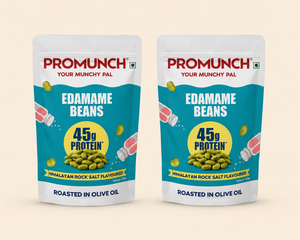
| PROMUNCH roasted edamame, Himalayan Rock Salt | 25g (1 serving) | 11.3g | On top of poha, upma, chaat or salad |
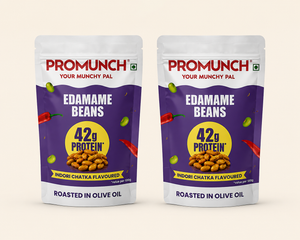
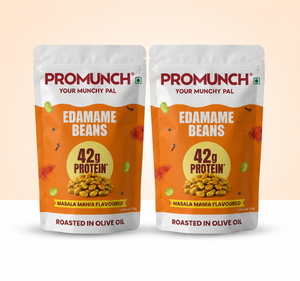
| PROMUNCH roasted edamame, Masala Mania or Indori Chatka | 25g (1 serving) | 10.75g | On top of poha, upma, chaat or salad |
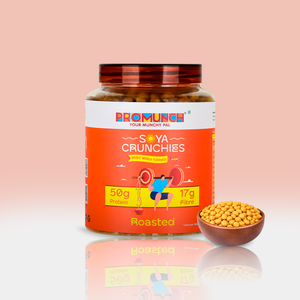
| PROMUNCH soya crunchies | 30g (1 serving) | 14.3–15.2g (by flavour) | With morning chai, or in a tiffin |
Soya flour has 50g of protein per 100g and dry soya mini chunks have 52g per 100g (VAMA labels), so 30g gives about 15g and 15.6g.The edamame and soya crunchies numbers above are per serving from the PROMUNCH labels.

Pack of 3. 45g protein per 100g. Just edamame, rock salt and olive oil.
Why most Indian breakfasts are low in protein
Poha, upma, idli, plain paratha and bread are mostly rice, semolina or wheat. They fill you up, but they carry little protein on their own. You do not need a new menu. Keep the dish your family likes and add one protein food to it.

Easy high-protein breakfast ideas (vegetarian)
1. Soya flour paratha or roti
Replace part of the atta with VAMA soya flour, then knead and cook as usual. 30g of soya flour adds about 15g of protein to the dough. Start with a small amount: the dough gets a little firmer.
2. Besan chilla with soya flour
Mix besan, a spoon of soya flour, onion, tomato, green chilli and coriander into a batter. Cook on a tawa with very little oil. Serve with curd or green chutney.
3. Poha or upma with roasted edamame
Make poha or upma the usual way. Just before serving, add a 25g serving of roasted edamame on top for crunch and about 11g of protein. Masala Mania goes well with poha; Himalayan Rock Salt is milder.
4. Soya chunks bhurji
Soak and boil soya mini chunks, squeeze out the water, then cook with onion, tomato, turmeric and garam masala, like paneer bhurji. Eat it with roti or stuff it into a paratha. See our soya chunks recipes for more ideas.
5. Paneer bhurji or paneer paratha
Paneer is the classic protein breakfast in many North Indian homes. Crumble it into bhurji, or grate it into a paratha stuffing with green chilli and coriander.
6. Moong dal chilla
Soak moong dal overnight, grind it with ginger and green chilli, and cook thin chillas on a tawa. Add grated paneer or vegetables inside.
7. Curd bowl with fruit and nuts
Plain curd or hung curd with fruit and a few nuts is a no-cook breakfast. Keep it unsweetened, or add only a little honey.
8. Sprouts chaat
Sprouted moong with onion, tomato, cucumber, lemon and chaat masala. Make the sprouts the night before and keep them in the fridge.
9. Eggs (if you eat them)
Boiled eggs, egg bhurji or an omelette with vegetables are fast protein breakfasts. Pair them with a roti or toast.
10. Edamame poha, upma or chilla
Our 25 edamame recipes include edamame poha, edamame upma and edamame besan chilla.

6 x 100g, all 3 flavours. 42 to 45g protein per 100g, roasted in olive oil.
A simple high-protein breakfast week
- Monday: soya flour paratha with curd
- Tuesday: poha with roasted edamame on top
- Wednesday: moong dal chilla with paneer filling
- Thursday: soya chunks bhurji with roti
- Friday: upma with roasted edamame
- Saturday: besan chilla with soya flour
- Sunday: paneer paratha, or eggs if you eat them
Busy morning? Breakfast on the go
If you eat at your desk or in the car, carry a ready-to-eat protein snack with a fruit. A 25g pouch of roasted edamame has 10.75–11.3g of protein, and a 30g serving of soya crunchies has 14.3–15.2g. For more ideas, see our high-protein snacks in India.
Need something for later in the day? See our healthy evening snacks for office and home.
Want a ready-to-eat side? Try the PROMUNCH Roasted Edamame Mini Combo (9 x 25 g).
Frequently Asked Questions
How can I get 20g of protein at breakfast?
Combine two protein foods. For example, a paratha made with 30g of VAMA soya flour (about 15g of protein) plus a 25g serving of roasted edamame (10.75–11.3g) gives you more than 25g. Paneer, curd, moong dal and eggs also add up quickly.
Is poha a high-protein breakfast?
Plain poha is mostly flattened rice, so it is low in protein. Add roasted edamame, soya mini chunks, peanuts or sprouts to it. A 25g serving of roasted edamame adds about 11g of protein.
Can I mix soya flour into roti or paratha dough?
Yes. Replace part of the atta with soya flour and knead as usual. VAMA soya flour has 50g of protein per 100g, so 30g adds about 15g of protein to the dough.
What is a good high-protein breakfast for vegetarians?
Paneer bhurji, moong dal chilla, besan chilla with soya flour, soya chunks bhurji, curd with fruit, and poha or upma with roasted edamame. All of them use foods you can buy in any Indian city.
Can I eat roasted edamame for breakfast?
Yes. It is ready to eat, so you can add it to poha, upma or a salad, or eat a 25g serving with a fruit when you are in a hurry. PROMUNCH roasted edamame is roasted in olive oil and has no added sugar.
New to edamame? Read what is edamame and how to eat it.
Add protein to breakfast, without changing the menu
VAMA Soya Flour (₹440, 2 × 500g): 50g protein per 100g, for parathas, rotis and chillas.
VAMA Soya Mini Chunks (₹440, 2 × 250g): 52g protein per 100g (dry), for poha, upma and bhurji.
PROMUNCH Roasted Edamame: 42–45g protein per 100g, roasted in olive oil. A crunchy topping, or breakfast on the go.
