 Skip to content


100g of raw soya chunks contains about 52g of protein. That is the number printed on most packets, and it is real, but it describes the dry chunk. Once you soak or boil them, water triples the weight, and the same 100g measured after cooking carries about 16g of protein. Most confusion about soya chunks comes from mixing up these two numbers.
The table and calculator below give you both, at any quantity.
Protein and calories at every serving size
Values for plain soya chunks (defatted soy flour, the standard Indian variety):
| Quantity | Protein (raw) | Calories (raw) | Protein (boiled) | Calories (boiled) |
|---|---|---|---|---|
| 25 g | 13 g | 86 kcal | 4 g | 29 kcal |
| 50 g | 26 g | 173 kcal | 8 g | 58 kcal |
| 100 g | 52 g | 345 kcal | 16 g | 115 kcal |
| 250 g | 130 g | 863 kcal | 40 g | 288 kcal |
| 500 g | 260 g | 1,725 kcal | 80 g | 575 kcal |
| 1 kg | 520 g | 3,450 kcal | 161 g | 1,150 kcal |
Full raw nutrition per 100g: 345 kcal, 52g protein, 33g carbohydrates, 13g fibre, 0.5g fat. The near-zero fat is why packets say "99% fat free"; the fat left the bean during oil extraction.
Why raw and boiled numbers differ so much
Soya chunks are sponges. Soak them and they absorb two to three times their weight in water. Nothing is lost, but every per-100g number drops to roughly a third, because two-thirds of what you're weighing is now water.
Practical rule: weigh dry, then cook. If your diet plan says 30g of protein from soya, that means about 60g of dry chunks, which will look like a large bowl once boiled.
Soya chunks vs other proteins
Protein per 100g, and per rupee (Indian retail prices, mid-2026):
| Food | Protein /100g | Approx. cost per 20g protein |
|---|---|---|
| Soya chunks (raw) | 52 g | ₹8–12 |
| Chicken breast (cooked) | 31 g | ₹25–35 |
| Paneer | 18 g | ₹40–55 |
| Eggs | 13 g | ₹18–24 |
| Moong dal (raw) | 24 g | ₹12–16 |
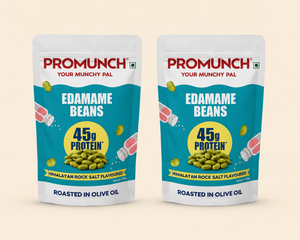
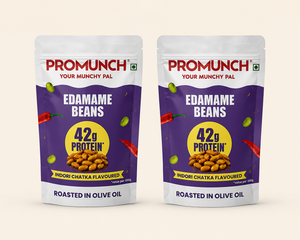
| Roasted edamame | ~40 g | ₹45–60 |
Soya chunks are the cheapest complete protein sold in India. Soy contains all nine essential amino acids, so unlike most dals it does not need pairing with a cereal to be complete.
How much soya per day is safe?
Common dietitian guidance lands around 25 to 50g of dry chunks daily for adults, alongside other protein sources. On the estrogen worry: soy isoflavones are plant compounds, and a 2021 meta-analysis covering 41 clinical studies found no effect on testosterone in men at realistic intakes. Variety still beats monotony; rotate soya with dal, eggs, and dairy rather than eating 200g every day.
Cooking without losing the protein
Protein survives normal cooking. What matters:
- Boil 5 minutes, squeeze out the water, then cook. This removes the slightly beany taste and the anti-nutrients that hamper mineral absorption.
- Pressure-cooking and roasting are fine. Deep-frying adds 100+ calories per serving without adding protein.
- Soaked chunks absorb marinades the way paneer does. Same gravies work.
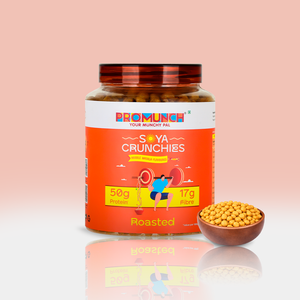
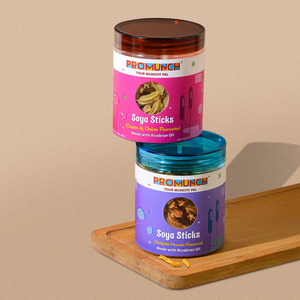
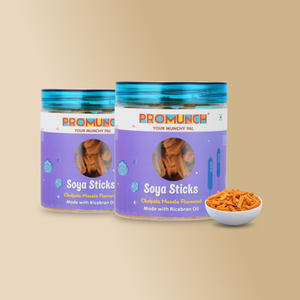
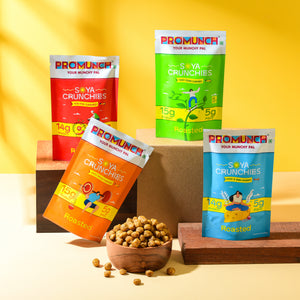
No time to cook any of this? Roasted soya snacks carry the same protein in packet form: our soya sticks and chips are roasted, not fried, at roughly 15g protein per 100g.
Soya flour and soya atta
Soya flour is the same defatted material milled fine: about 50g protein per 100g. Mixing one part soya flour into five parts wheat atta raises a roti's protein by 30 to 40% without noticeably changing taste. Our soya flour is here.
Frequently asked questions
How much protein is in 250g of soya chunks?
About 130g if measured dry, or 40g if you're measuring already-boiled chunks. The gap is water weight.
How much protein in 2 packets (100g) of soya chunks?
A standard 50g packet holds about 26g of protein, so two packets give you around 52g.
Are soya chunks good for weight loss?
Strong satiety per calorie: 52g protein and 13g fibre per 345 kcal (raw 100g). Boiled, a filling 200g bowl is just 230 kcal. They work as long as the gravy doesn't drown them in oil.
Is 100g of soya chunks a day too much?
100g dry (52g protein) is a lot from one source. Most guidance suggests 25 to 50g dry per day with the rest of your protein from varied foods.
Boiled vs raw: which number should I track?
Track the dry weight. Labels, this table, and most diet apps use dry values, and dry weight doesn't change with how much water your chunks absorbed.