 Skip to content


Edamame vs Makhana vs Peanuts vs Chips: Which Snack Actually Wins on Protein?
Quick verdict: If protein-per-calorie is what you're optimising for, roasted edamame comes out ahead of all three — makhana, peanuts, and chips — on that specific measure. But "wins on protein" isn't the same as "wins for everyone," and each of these four snacks earns its place for a different reason. Here's the actual breakdown, not just the headline number.
At-a-Glance Comparison (per 100g)
Figures below are typical ranges based on standard nutrition data for each food category — exact numbers vary by brand, roast, and seasoning, so always check the pack in front of you.
|
Snacks |
Protein |
Fat |
Calories |
Fibre |
Cooking method |
|
Roasted edamame |
40- 45 g |
13-16g |
420-430 kcal |
10-12g |
Roasted |
|
Peanuts (roasted) |
24-26g |
47-50g |
570-590 kcal |
8-9g |
Roasted |
|
Makhana (fox nuts, roasted) |
9-11g |
0.5-1g |
345-350 kcal |
12-14g |
Roasted(puffed, then dry-roasted) |
|
Potato chips |
6-7g |
33-36g |
530-545 kcal |
3-4g |
Deep-fried |
Bold marks the winner on protein specifically. On fat, makhana is the clear winner by a wide margin. On fibre, makhana and edamame are close, both ahead of peanuts and well ahead of chips.
How We Compared
We're using standard nutrition-database ranges for each raw category rather than one specific packaged brand, because seasoning and processing shift these numbers brand to brand — a chip cooked in a different oil, or a peanut roasted with more salt and oil coating, will move fat and calories up or down. What doesn't move much between brands is the underlying protein contribution of the base ingredient itself, which is why protein is the most reliable column to compare across products, and fat/calories are the ones worth double-checking on your specific pack.
Head-to-Head by Criteria
Protein content
Winner: Roasted edamame. This isn't close. Edamame's advantage comes from starting material, not processing trick — soybeans are naturally one of the most protein-dense legumes, and roasting concentrates that further by removing water weight. Peanuts are a genuinely strong second, ahead of most other snack nuts. Makhana and chips are both low-protein snacks regardless of how they're marketed; makhana's health reputation is earned on other metrics, not this one.
Fat content
Winner: Makhana, by a wide margin. Fox nuts are naturally almost fat-free before roasting, and light roasting doesn't add much. Chips lose here for the expected reason — deep-frying adds oil on top of whatever the potato itself contributes. Peanuts are naturally high-fat (that's true of nearly all nuts), so their fat number isn't a processing failure, it's just what a nut is. Edamame sits in the middle: higher fat than makhana, but roughly a third of what chips or peanuts carry.
Calorie density
Winner: Makhana, again for the same reason — low fat translates directly to lower calorie density, since fat carries more than double the calories per gram of protein or carbs. Peanuts are the most calorie-dense of the four, which matters if you're tracking total intake rather than just protein.
Fibre and satiety
Winner: a near-tie between makhana and edamame. Both sit meaningfully ahead of peanuts and far ahead of chips. Fibre matters here beyond digestion — it's a major reason why a fistful of edamame or makhana tends to feel more filling than the same weight of chips, even before you factor in the protein difference.
How it's made
Winner: edamame and makhana tie, chips lose outright. Both edamame and makhana are typically roasted rather than fried in well-made versions, which is the single biggest lever on the fat numbers above. Peanuts are also usually dry-roasted, though some commercial brands deep-fry them — worth checking the ingredient list, since a fried peanut snack will carry noticeably more fat than the roasted figures above.
Use Cases: Which One For What
Post-workout, protein target matters most → Roasted edamame. Highest protein per 100g of anything on this list, and it's a complete protein — soy carries all nine essential amino acids, which most plant proteins don't.
Watching calories or fat strictly → Makhana. Nothing here comes close to its fat profile, and it's genuinely filling for its calorie count thanks to the fibre content.
Want the most protein per rupee, and fat isn't a concern → Peanuts. Strong protein number, widely available, cheap — the trade-off is the fat and calorie density, which adds up fast if you're not measuring portions.
Occasional indulgence, not a daily snack → Chips. There's no version of this comparison where chips win on nutrition. If you're eating them, eat them knowing that, and treat the other three as the everyday options.
Pros and Cons
Roasted edamame
- Pros: highest protein density on this list, complete amino acid profile, decent fibre, roasted rather than fried in quality versions
- Cons: less widely available than the other three, taste is more polarizing (grassy/beany notes some people need to acquire a taste for), price per 100g typically higher than chips or peanuts
Makhana
- Pros: lowest fat and calorie density by far, high fibre, very neutral taste that takes seasoning well
- Cons: lowest protein of the four, can feel bland without added spice, texture is drier and less satisfying to some than a fried snack
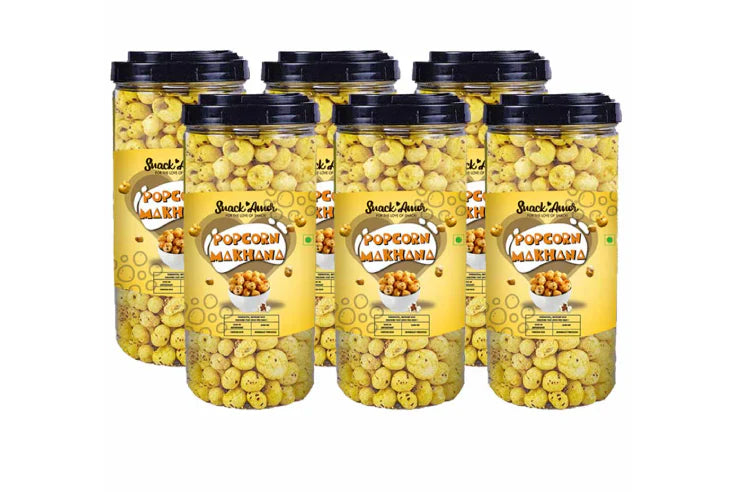
Peanuts
- Pros: strong protein number, cheap, widely available, satisfying crunch
- Cons: highest fat and calorie density, common allergen (a real dealbreaker for some households), easy to overeat past a sensible portion
Chips
- Pros: taste and texture most people already like, universally available
- Cons: lowest protein, highest fat alongside peanuts, least fibre, offers the least nutritional return of anything on this list
Frequently Asked Questions
Is edamame better than makhana for protein?
Yes. Edamame beans provide about 40- 45 g of protein per 100g, while makhana offers only 7–15g. Edamame is clearly superior for protein intake.
Which snack is lowest in calories?
Makhana is the lowest‑calorie option, with about 350 kcal per 100g, making it suitable for weight‑loss diets.
Why choose roasted edamame beans?
Roasted edamame beans are high in protein, fiber, and balanced macros. They are gluten‑free and make an excellent healthy evening snack.
Is roasted edamame really higher protein than peanuts?
Yes, per 100 g. Edamame typically runs 40-45g protein per 100g roasted, compared to 24-26g for roasted peanuts. Both are strong protein sources — edamame is ahead on this specific measure, while peanuts carry more fat and calories for the same weight.
Why does makhana have a health-food reputation if it's low in protein?
Because its strength is elsewhere — extremely low fat, solid fibre, and a very low calorie density for its volume. It's a legitimate choice if fat and calories are your priority; it's just not the pick if protein is the specific target.
Can I combine these instead of picking one?
Reasonably, yes. A mixed snack rotation — edamame for protein-focused days, makhana when you want volume without calories, peanuts occasionally for the crunch and cost — covers more nutritional ground than committing to just one.
Are roasted snacks always healthier than fried ones?
Generally on fat content, yes, because roasting doesn't add oil the way deep-frying does. It doesn't automatically mean low-sodium or low-calorie — check the label, since seasoning and coating can still add both regardless of cooking method.
Can chips ever be considered a healthy snack?
No. Chips are processed, high in fat and carbs, and provide negligible protein, making them the least healthy choice.
Final Recommendation
If you're choosing a single go-to for protein specifically, roasted edamame is the clearest winner on the numbers, and it's a complete protein source in a way most alternatives on this list aren't. If fat and calorie count matter more to you than protein, makhana is the better fit. Peanuts sit as a reasonable middle option when cost matters and fat isn't a primary concern. Chips remain what they've always been — worth having occasionally, not worth defending nutritionally.
For a closer look at how protein-forward snacks like edamame compare to traditional Indian namkeen more broadly, see What Is Protein Namkeen? A Complete Guide, or explore PROMUNCH's roasted edamame range — roasted in olive oil, with no palm oil and no maida.