 Skip to content


Soya Chunks vs Paneer vs Eggs vs Dal (Protein per ₹100)
Protein is not cheap everywhere. A packet of paneer, a tray of eggs, a kilo of dal and a packet of soya chunks can all be called "protein foods", but they give very different amounts of protein for the same money. In this guide, we compare soya chunks, paneer, eggs and dal on one simple question: how much protein do you get for ₹100?
This article is for general information. It is not medical advice. If you have a medical condition or special diet needs, talk to your doctor or a registered dietitian.
Quick answer
Using the example prices below, soya chunks give the most protein per ₹100, followed by dal, then eggs, then paneer. But price is only one part of the picture. Taste, digestion, your diet (vegetarian, egg-eating) and how you cook also matter.

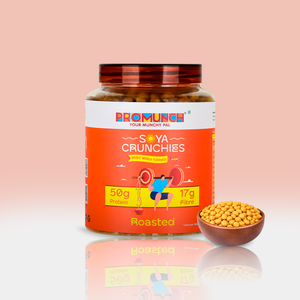
270g jar. Roasted soya, about 15g protein per 30g serving. Vegan.
How much protein is in each food?
These are approximate values for the foods as you buy them (dry soya chunks and dal, raw paneer, one whole egg). Brands differ, so check the label on your pack.
| Food | Approx. protein |
|---|---|
| Soya chunks (dry) | 52 g per 100 g |
| Toor dal (dry) | 22 g per 100 g |
| Paneer | 18 g per 100 g |
| Egg (1 whole egg) | 6 g per egg |
For the full soya chunks numbers, see our soya chunks protein per 100g guide.
Protein per ₹100: the comparison
Prices change from city to city and month to month, so we used example prices to show the method. Your own prices may be different. You can use the formula in the next section with the prices at your store.
| Food | Example price | What ₹100 buys | Protein for ₹100 |
|---|---|---|---|
| Soya chunks | ₹200 per kg | 500 g | about 260 g |
| Toor dal | ₹150 per kg | about 667 g | about 147 g |
| Eggs | ₹7.50 per egg | 13.3 eggs | about 80 g |
| Paneer | ₹485 per kg | about 206 g | about 37 g |
The weights above are for dry or raw food as sold. Soya chunks and dal soak up water when cooked, so one cooked bowl has less protein than the same weight dry.
How to work it out with your own prices
Use this simple formula:
Protein for ₹100 = (100 ÷ price per kg) × 10 × protein per 100 g
For example, if soya chunks cost ₹200 per kg: 100 ÷ 200 = 0.5, then 0.5 × 10 = 5, then 5 × 52 g = 260 g of protein. For eggs, divide 100 by the price of one egg, then multiply by 6 g.
Soya chunks vs paneer
Paneer is tasty and easy to cook, but it costs much more per gram of protein. Soya chunks have almost three times the protein per 100 g, and they usually cost far less per kg. The trade-off is taste and texture. Soya chunks need soaking, boiling and good masala to taste great. Our 15 soya chunks recipes can help.

Soya chunks vs eggs
Eggs are easy, ready in minutes and have no soaking. One egg has about 6 g of protein, so 50 g of dry soya chunks (about 26 g of protein) is roughly the same protein as 4 eggs. Eggs are only an option if you eat them, and egg prices can rise sharply at times.


6 x 100g, all 3 flavours. 42 to 45g protein per 100g, roasted in olive oil.
Soya chunks vs dal
Dal is a daily Indian staple and gives good protein per rupee. Dal is also a source of fibre and is easy on the pocket. On protein per 100 g, though, soya chunks are higher. Many people eat dal with rice or roti, which helps give a more complete mix of amino acids.

Cost of 25 g of protein
Here is another way to look at it. This table shows how much of each food you need for 25 g of protein, and what it costs at the example prices.
| Food | Amount for 25 g protein | Approx. cost |
|---|---|---|
| Soya chunks (dry) | about 48 g | about ₹10 |
| Toor dal (dry) | about 114 g | about ₹17 |
| Eggs | about 4 eggs | about ₹31 |
| Paneer | about 139 g | about ₹67 |
Which one should you choose?
| If you want... | Good choice |
|---|---|
| The most protein for your money | Soya chunks, then dal |
| Something quick with no cooking prep | Eggs (if you eat them) |
| A soft, familiar taste for the whole family | Paneer |
| A daily everyday staple | Dal |
You do not have to pick only one. A mix of dal, curd, paneer, eggs, nuts, seeds and soya chunks is a simple way to keep meals interesting. If you eat soya chunks often, read our guide on how much soya chunks per day to keep the portion sensible.
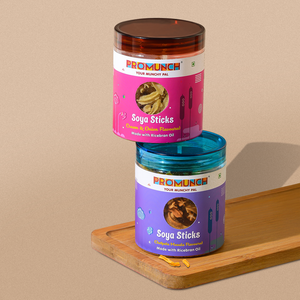
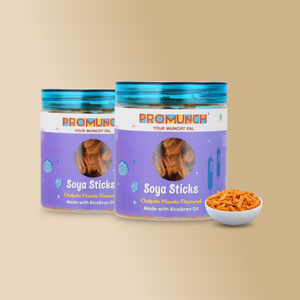
Want a ready-to-eat protein snack when you do not have time to cook? Try the PROMUNCH roasted soya snack variety pack with 3 flavours.

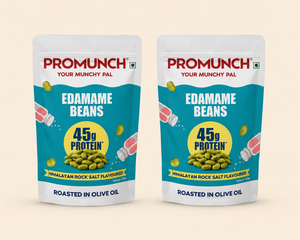
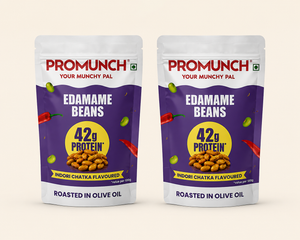
Looking for another soy-based snack? Try PROMUNCH Himalayan Rock Salt roasted edamame.
You can also add soya flour to your breakfast, for example in paratha or chilla batter.
Frequently asked questions
Which has the most protein per ₹100: soya chunks, paneer, eggs or dal?
With the example prices in this article, soya chunks give the most protein per ₹100, followed by dal, eggs and then paneer. Use your own local prices in the formula to check.
Is soya chunks cheaper than paneer?
Usually yes, per gram of protein. Soya chunks have about 52 g of protein per 100 g dry, while paneer has about 18 g per 100 g, and paneer normally costs more per kg.
How many eggs equal 50 g of soya chunks in protein?
50 g of dry soya chunks has about 26 g of protein. One egg has about 6 g, so you need about 4 eggs for the same protein.
Is the protein in soya chunks the same as in eggs or paneer?
Not exactly. Eggs and paneer are animal proteins. Soy protein is a plant protein that is generally considered a good-quality one. Dal is lower in some amino acids, which is why it is often eaten with rice or roti.
Why are the weights in the table dry weights?
Soya chunks and dal soak up water when cooked, so cooked weight is much higher and the protein per 100 g is lower. Comparing them dry, as sold, is fairer for price.
How much soya chunks should I eat per day?
A common range for healthy adults is 25 g to 50 g of dry soya chunks per day. See our guide on how much soya chunks per day.
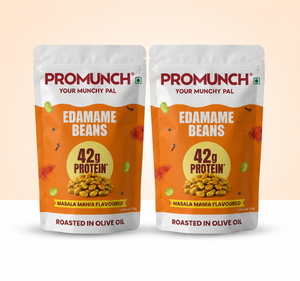
Need a ready-to-eat snack? Try PROMUNCH Masala Mania roasted edamame.
Conclusion
If you look only at protein per ₹100, soya chunks and dal come out ahead of eggs and paneer, and paneer gives the least protein for the money. But the best protein food is the one you enjoy, digest well and can eat regularly. Use the formula with your own prices, mix your protein sources, and read our soya chunks protein guide for more numbers.
